FAQs – Anti-Vibration Table Manufacturers in Chennai
1. What is an anti-vibration table?
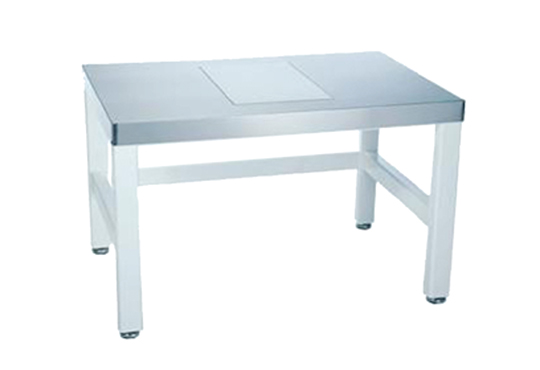
An anti-vibration table is a specialized laboratory workstation designed to reduce the transmission of unwanted vibrations to sensitive instruments, helping provide a more stable surface for precision measurements.
2. What are anti-vibration tables used for?
Anti-vibration tables are commonly used for analytical balances, precision weighing equipment, calibration instruments and other vibration-sensitive laboratory applications.
3. What materials are used to manufacture anti-vibration tables?
Depending on the model, an anti-vibration table may feature a granite working surface, a sturdy metal support frame and rubber vibration-damping mounts.
4. Which instruments can be placed on an anti-vibration table?
Depending on the table’s design and load capacity, it may support:
Analytical balances, Microscopes, Optical instruments, Precision measuring equipment, Laboratory testing instruments, and Scientific research equipment.
5. What materials are used to manufacture anti-vibration tables?
Anti-vibration tables may feature granite or other specialized tabletop materials, supported by a rigid frame and vibration-damping components. Material selection depends on the application and instrument requirements.
6. How does an anti-vibration table work?
An anti-vibration table uses a combination of structural stability and vibration-damping or isolation components to reduce the transmission of external vibrations to the working surface.
7. What are the benefits of using an anti-vibration table?
Key benefits include improved instrument stability, reduced vibration interference, support for precision measurements, an organized laboratory workspace, and suitability for sensitive scientific equipment.
8. Are anti-vibration tables suitable for analytical balances?
Yes. Suitable anti-vibration tables can provide a stable platform for analytical balances, helping reduce disturbances that may affect weighing accuracy.